Archives August 2026

How to Create a Capsule Streetwear Wardrobe With Fewer Clothes

A good wardrobe does not need to contain dozens of clothing pieces.

In fact, having fewer clothes can sometimes make getting dressed easier. When the pieces in your wardrobe work well together, you can create more outfits with fewer individual items. This is the basic idea behind a capsule wardrobe.

A capsule wardrobe is a carefully selected collection of clothing built around versatility. Instead of buying something simply because it looks interesting on its own, you consider how well it works with everything else you already own.

This approach works particularly well with streetwear.

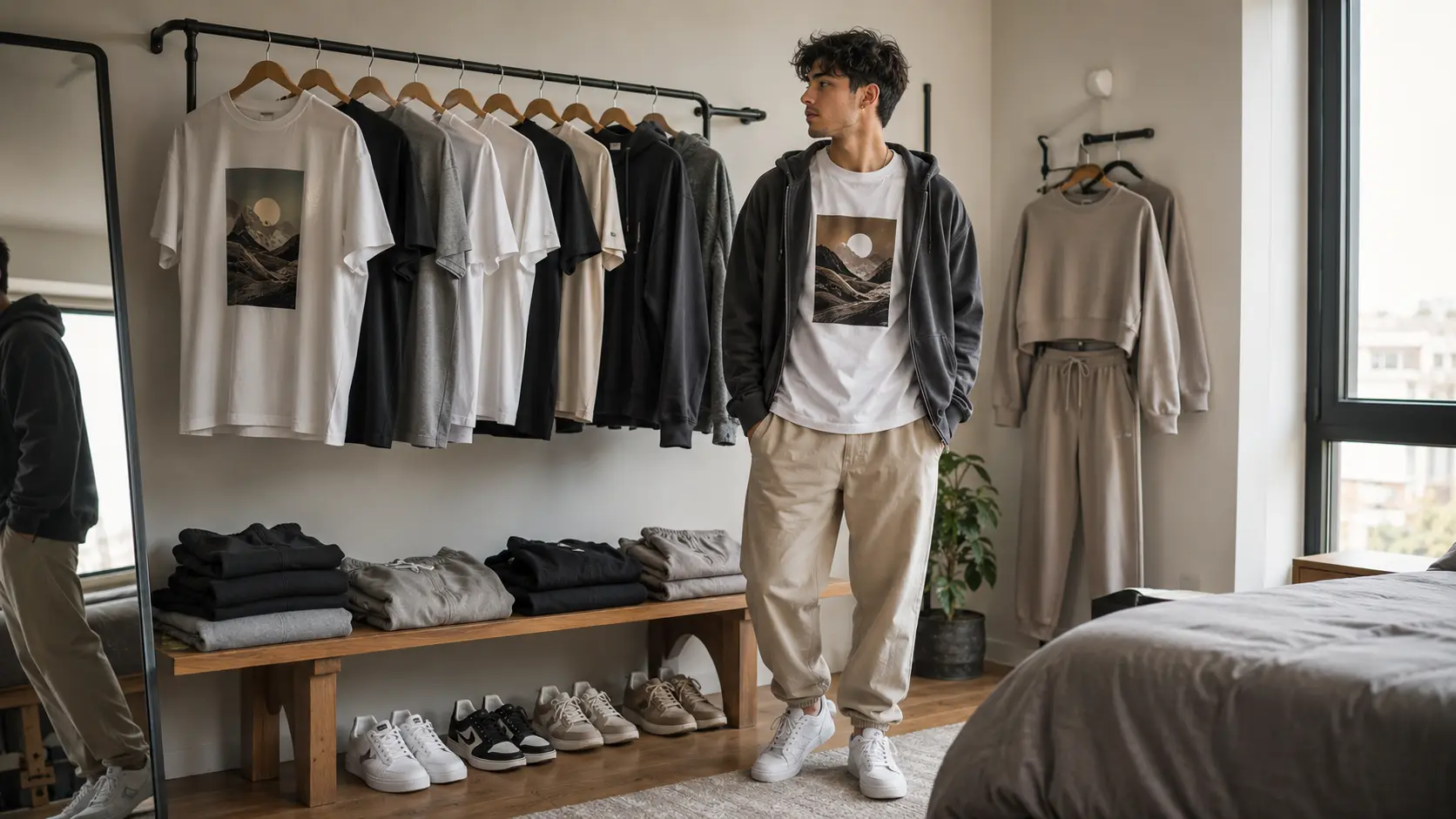
Streetwear already includes many practical wardrobe staples such as T shirts, hoodies, comfortable bottoms, sneakers, and coordinated sets. These pieces can be mixed, layered, and restyled for different situations.

The result can be a wardrobe that feels varied without becoming unnecessarily large.

What Is a Capsule Wardrobe?

A capsule wardrobe is a relatively small collection of clothing where most pieces can be combined with several others.

There is no universally correct number of garments.

Some people prefer extremely minimal wardrobes, while others want more variety. The important principle is versatility rather than a specific number.

For example, five T shirts that only work with one pair of trousers each are less useful than three T shirts that can each be combined with several bottoms.

A successful capsule wardrobe is therefore based on relationships between pieces.

Why Streetwear Works Well for a Capsule Wardrobe

Streetwear often focuses on casual pieces that can be used in multiple combinations.

A T shirt can be worn alone, layered under a hoodie, or combined with different bottoms.

A hoodie can work with sweatpants, jeans, shorts, or other casual trousers.

A pair of relaxed bottoms can be worn with several different tops.

This flexibility means you do not need a completely different outfit for every day.

Instead, you can create several combinations from a relatively small selection.

Start With Your Actual Lifestyle

Before buying anything for a capsule wardrobe, think about how you spend most of your time.

Your wardrobe should support your real life rather than an imaginary lifestyle.

If you work in a casual environment, everyday streetwear staples may make up most of your wardrobe.

If you travel frequently, comfortable and versatile pieces will probably be more useful.

If you attend social events regularly, you may need a few pieces with a cleaner appearance.

If you spend a lot of time outdoors, practical layers become more important.

Identify Your Most Common Activities

Make a simple list of the situations you regularly dress for.

These might include:

Everyday errands

Work or study

Travel

Social gatherings

Exercise

Relaxing at home

Outdoor activities

Once you know these requirements, it becomes much easier to decide which garments deserve space in your wardrobe.

Build Around T Shirts

T shirts are one of the strongest foundations for a streetwear capsule wardrobe.

They are relatively easy to layer, simple to combine, and suitable for a wide range of casual situations.

A useful collection might include a mixture of neutral and graphic designs.

Neutral T shirts can provide reliable basics.

Graphic T shirts can introduce personality.

The T shirt collection can be explored when building this part of your wardrobe.

Choose Versatile Colors

Neutral colors are particularly useful in a small wardrobe.

Black, white, cream, grey, brown, and navy can usually be combined with many different bottoms and outer layers.

This does not mean you should avoid brighter colors.

A colorful T shirt can become a statement piece while the rest of the wardrobe remains relatively neutral.

The key is to make sure the stronger colors still work with several existing pieces.

Add One or Two Reliable Hoodies

A hoodie can serve multiple purposes in a capsule wardrobe.

It can be worn as an outer layer during mild weather or underneath a jacket when temperatures fall.

It can also completely change the appearance of a basic T shirt and bottoms combination.

Instead of buying many hoodies in similar styles, choose pieces that genuinely add something different.

The hoodie collection can provide options for this part of a versatile casual wardrobe.

Choose Hoodies With Different Roles

One hoodie might be neutral and suitable for everyday use.

Another could have a distinctive graphic or color that creates a stronger statement.

This gives you variety without requiring a large collection.

Choose Bottoms That Work With Everything

A capsule wardrobe becomes much easier to manage when the bottoms are versatile.

You should be able to wear most of your T shirts with most of your bottoms.

This creates many combinations without requiring additional garments.

The bottoms collection can be useful when selecting comfortable pieces for a flexible wardrobe.

Include Different Silhouettes

Having slightly different silhouettes can create variety.

For example, you might choose one relaxed pair of sweatpants, one straighter pair of casual trousers, and one pair of shorts.

The exact combination depends on your lifestyle and climate.

The purpose is to make each piece useful for a different situation rather than owning several garments that perform exactly the same function.

Consider a Coordinated Women's Set

Matching sets can be particularly useful in a capsule wardrobe because they immediately provide a complete outfit.

The top and bottom are already designed to work together.

However, their usefulness does not stop there.

Each piece can also be separated and worn with other clothing.

The women's sets collection can provide coordinated options that can become part of a flexible wardrobe.

Think Beyond the Matching Outfit

Suppose you have a matching set with a comfortable top and bottoms.

You can wear both together for a coordinated appearance.

Later, wear the top with another pair of bottoms.

Then combine the set's bottoms with a T shirt or hoodie.

This turns one purchase into several potential outfits.

Create a Simple Color Palette

A capsule wardrobe becomes much easier to style when the colors have some relationship.

You do not need every item to match.

Instead, choose a small group of colors that naturally work together.

For example, neutral shades can form the foundation while one or two accent colors add personality.

Use Neutral Colors as the Foundation

Neutral colors provide flexibility.

A black pair of bottoms can work with almost any T shirt.

A cream hoodie can complement several darker pieces.

Grey sweatpants can work with both bright and muted tops.

This allows you to introduce stronger graphic pieces without making the entire wardrobe difficult to coordinate.

Do Not Make Everything Basic

A common mistake when creating a capsule wardrobe is removing all personality.

A small wardrobe does not need to be boring.

The purpose is to reduce unnecessary clothing, not eliminate individuality.

Graphic T shirts, distinctive hoodies, interesting sneakers, accessories, and carefully chosen colors can give your wardrobe character.

The trick is to make statement pieces work with your basics.

Choose Statement Pieces Carefully

A statement piece attracts attention.

That might be a graphic T shirt, colorful hoodie, unusual pair of sneakers, or distinctive accessory.

You do not need many of these pieces.

A small wardrobe can benefit from having a few.

The surrounding clothing should provide enough flexibility that the statement piece can be worn repeatedly in different combinations.

Use Layers to Create Variety

Layering is one of the easiest ways to create different outfits from the same basic garments.

A T shirt worn alone creates one appearance.

Add a hoodie and the outfit changes.

Add a jacket over the hoodie and it changes again.

You can also experiment with how much of each layer is visible.

Think About Seasonal Layers

Your capsule wardrobe does not have to remain identical throughout the year.

During warmer months, you may rely heavily on T shirts and lighter bottoms.

As temperatures fall, hoodies and heavier layers become more important.

You can store some seasonal pieces when they are not needed and bring them back later.

This keeps your active wardrobe manageable.

Invest in Versatile Footwear

Shoes can take up a surprising amount of space.

For a capsule wardrobe, choose footwear that works with several outfits.

A clean pair of everyday sneakers can often work with T shirts, hoodies, sweatpants, shorts, and matching sets.

If your lifestyle requires more specialized footwear, keep those additional pairs limited to genuine needs.

Match Footwear to Your Lifestyle

Someone who walks frequently may prioritize comfortable sneakers.

Someone who attends formal events may need a smarter option.

Someone who spends time outdoors may need practical shoes.

The best capsule wardrobe is personal.

There is no benefit in owning minimalist clothing if the collection does not support your everyday activities.

Consider the Fit of Every Piece

Versatility is not only about color.

Fit matters too.

If you prefer relaxed streetwear, choose silhouettes that work together naturally.

An oversized hoodie can pair with relaxed bottoms for a completely casual appearance.

It can also work with straighter bottoms when you want more contrast.

Avoid Unnecessary Duplication

If you already have three nearly identical oversized black hoodies, buying another one may not add much value.

Instead, consider whether another silhouette, color, or design would give you more outfit combinations.

A capsule wardrobe should provide variety through useful differences.

Think in Outfits Rather Than Individual Pieces

One of the biggest changes you can make is to stop evaluating clothing in isolation.

Instead of asking, “Do I like this T shirt?” ask:

“How many outfits can I create with this T shirt?”

The same applies to every other garment.

A beautiful piece that only works with one outfit may have limited usefulness.

A simple garment that works with five different combinations may become one of the most valuable items in your wardrobe.

Use the Three Outfit Test

Before adding a new garment, try to think of at least three outfits you could create with it using clothing you already own.

If you cannot think of three combinations, consider whether you really need the piece.

This simple test can reduce impulse purchases.

It also encourages you to choose clothing that genuinely integrates into your wardrobe.

Avoid Trend Chasing

Trends can be fun, but they can also make a wardrobe unnecessarily large.

A piece may become exciting because everyone is wearing something similar.

A few months later, you may stop wearing it.

This does not mean you should completely ignore trends.

Instead, introduce trends selectively.

Choose pieces that also work with your personal style.

Build Around Personal Preferences

A capsule wardrobe should reflect you.

If you love oversized hoodies, there is no reason to build a wardrobe around fitted shirts simply because they are considered versatile.

If you prefer graphic T shirts, include them.

If you rarely wear sweatpants, do not buy several pairs just because they are associated with streetwear.

The goal is to create a wardrobe you actually use.

Think About Fabric Quality

When you own fewer pieces, each garment tends to be worn more frequently.

That makes fabric quality and construction more important.

Look at the material, stitching, seams, cuffs, and overall construction.

Clothing that receives frequent use should be able to handle regular washing and wear.

Follow Care Instructions

Good clothing can still deteriorate quickly when it is washed incorrectly.

Follow the garment's care instructions.

Avoid unnecessary heat when it is not recommended.

Give printed pieces appropriate care.

Store clothing properly between uses.

A smaller wardrobe works best when the pieces remain in good condition.

Organize Your Wardrobe by Function

Organization can make a capsule wardrobe even more useful.

Instead of having clothing scattered throughout drawers and cupboards, group similar pieces together.

Keep T shirts together.

Store hoodies where they are easy to reach.

Organize bottoms separately.

Keep seasonal clothing accessible when you need it.

This makes it easier to see what you actually own.

Use Accessories to Change the Appearance

Accessories can create variety without requiring additional clothing.

A cap, bag, watch, sunglasses, or simple jewelry can change the character of an outfit.

You can therefore create different looks while wearing the same basic clothing.

Do Not Overcomplicate It

A few reliable accessories are usually more useful than a large collection.

Choose pieces that complement your wardrobe.

Neutral accessories are particularly easy to combine.

Statement accessories can also work when the rest of the outfit is relatively simple.

Keep Your Capsule Wardrobe Flexible

Do not treat a capsule wardrobe as a permanent rule.

Your lifestyle can change.

Your preferred colors can change.

The weather changes.

Your clothing needs can change.

Review your wardrobe occasionally.

If something has not been worn for a long time, consider whether it still belongs.

If you repeatedly wish you had a particular type of garment, that may indicate a genuine gap.

Use Seasonal Rotation

Seasonal rotation can make a small wardrobe feel larger.

During warmer months, keep lightweight T shirts, shorts, and lighter bottoms readily available.

When the weather becomes cooler, bring out hoodies, heavier bottoms, and additional layers.

The clothing does not need to disappear permanently.

It simply moves in and out of your everyday rotation.

Build Around Three Main Outfit Types

A useful capsule wardrobe can include three broad categories of outfits.

Everyday Casual

This might include a T shirt, comfortable bottoms, and sneakers.

It is suitable for errands, casual activities, and relaxed days.

Layered Streetwear

This can include a T shirt, hoodie, bottoms, and sneakers.

It provides more warmth and creates a stronger streetwear silhouette.

Coordinated Casual

A matching set can provide a complete outfit with minimal effort.

The pieces can later be separated and used independently.

These three categories alone can cover a surprisingly wide range of everyday situations.

Avoid the Pressure to Own More

Modern fashion can create the impression that you constantly need something new.

New collections appear regularly.

Trends change.

Social media introduces new outfit ideas every day.

A capsule wardrobe takes a different approach.

Instead of asking what you should buy next, ask whether your existing wardrobe can be used more effectively.

Sometimes the best new outfit is created by combining two pieces you already own in a different way.

Make Shopping More Intentional

Before purchasing something, consider its role.

Does it fill a genuine gap?

Does it work with your existing clothing?

Can you imagine wearing it regularly?

Is the fit comfortable?

Does the color complement your wardrobe?

If the answer to most of these questions is yes, the garment is more likely to become a useful addition.

If you are buying it simply because it is currently popular, waiting may be worthwhile.

Create a Personal Uniform

Some people find it helpful to develop a personal outfit formula.

For example, you might regularly wear a graphic T shirt, relaxed bottoms, sneakers, and a hoodie.

The colors and designs can change while the basic formula remains familiar.

This creates consistency without making every outfit identical.

A personal uniform can also make mornings easier because you already know which combinations work.

Make Your Capsule Wardrobe Feel Personal

Minimalism does not mean removing personality.

Your favorite graphic designs, preferred silhouettes, colors, footwear, and accessories should remain part of the wardrobe.

A capsule wardrobe simply asks you to be more selective.

Choose pieces because they add value rather than because you feel obligated to own them.

This can lead to a wardrobe that feels much more personal.

Explore Pieces That Can Grow With Your Style

The most useful clothing can adapt as your preferences change.

A simple T shirt may initially be worn with jeans.

Later, you might pair it with relaxed bottoms.

A hoodie may start as a travel piece and eventually become part of your everyday outfit rotation.

Versatile clothing gives you room to experiment.

The Leo Skepi Merch homepage is a useful place to explore casual streetwear pieces when you are looking for garments that can work within a flexible wardrobe.

A Practical Capsule Wardrobe Example

A simple streetwear capsule wardrobe might contain several versatile T shirts, one or two hoodies, a few different bottoms, a coordinated set, everyday sneakers, and a small selection of accessories.

The exact number is less important than the combinations.

Imagine having three T shirts and three bottoms.

If every T shirt works with every bottom, you already have several different combinations.

Add two hoodies and you have additional layered looks.

Add a coordinated set and use its pieces separately, and the possibilities increase further.

This demonstrates why versatility is more valuable than simply owning more clothes.

Final Thoughts

Creating a capsule streetwear wardrobe is not about following a strict number of garments or eliminating everything except basic clothing.

It is about making your wardrobe work harder.

Choose T shirts that can be worn in several combinations.

Keep a few hoodies that provide different styling options.

Select bottoms that complement most of your tops.

Use coordinated women's sets when they provide genuine versatility.

Build around a practical color palette.

Choose footwear that works across multiple outfits.

Then add a few statement pieces that reflect your personality.

The result is a wardrobe that can provide plenty of variety without requiring constant shopping.

The most successful capsule wardrobe is not necessarily the smallest one. It is the one where each piece has a clear purpose and works naturally with the rest.

When you focus on versatility rather than quantity, getting dressed becomes easier, shopping becomes more intentional, and your personal streetwear style has more room to develop.
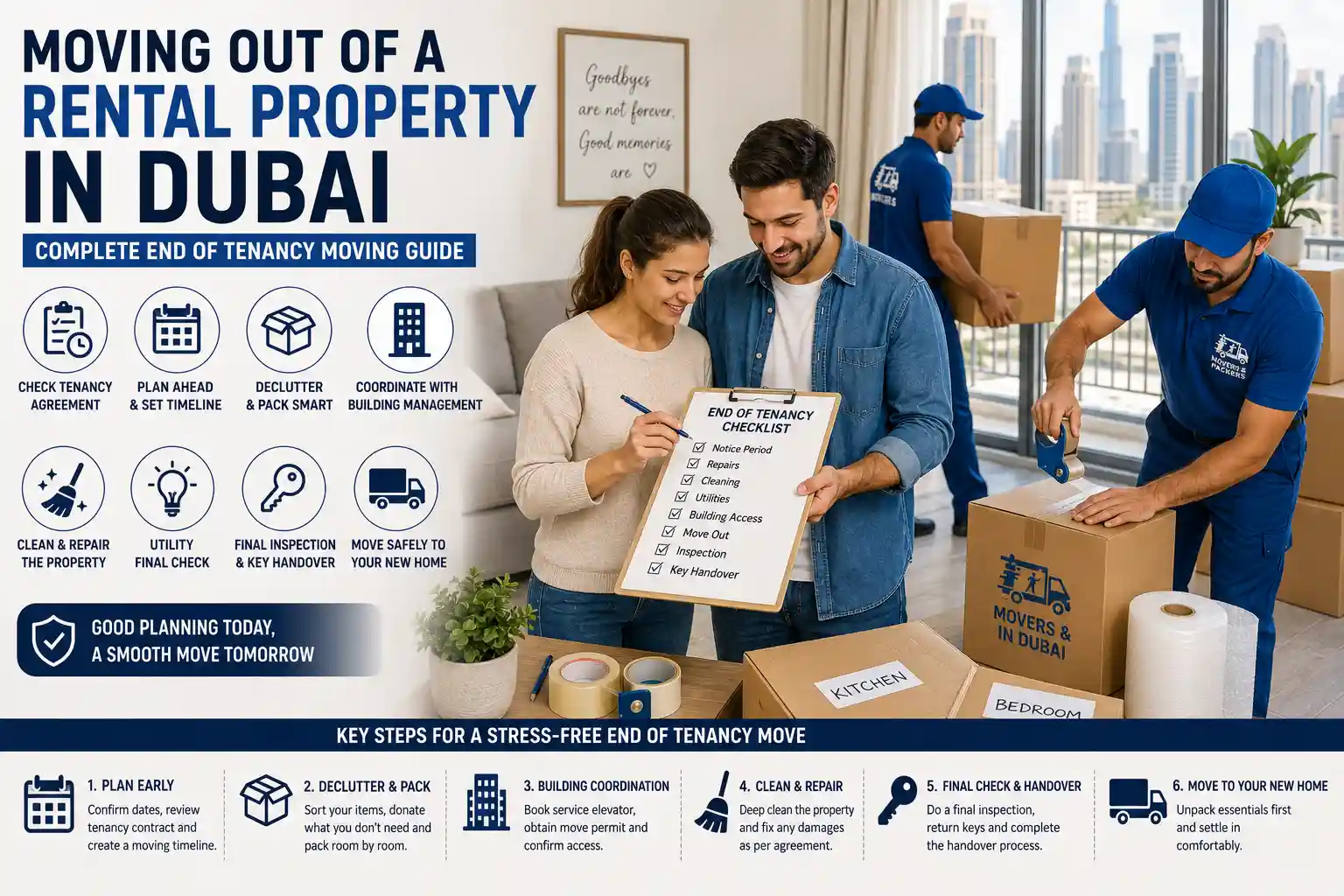

Moving Out of a Rental Property in Dubai: Complete End of Tenancy Moving Guide

Moving out of a rental property in Dubai involves much more than packing your belongings and hiring a moving truck.

When a tenancy comes to an end, tenants usually have several things happening at the same time. The old property needs to be prepared for handover, belongings need to be sorted and packed, building management may have moving procedures, the new property needs to be ready, utilities may need attention, and the entire household has to transition from one address to another without unnecessary delays.

For many tenants, the biggest mistake is starting the moving process too late.

A successful move out begins weeks before the actual moving day.

Whether you are leaving a studio apartment in Jumeirah Village Circle, moving from a family apartment in Dubai Marina, relocating from a townhouse in Al Furjan, or moving into another rental property somewhere else in Dubai, having a clear plan can make the entire process easier.

This complete guide explains how to organize your end of tenancy move, what to do before packing, how to prepare your property, how to coordinate with building management, what to check before leaving, and how to make moving day more efficient.

If you want the physical relocation handled professionally, Movers and Packers in Dubai can assist with packing, furniture protection, loading, transportation and unloading while you focus on the tenancy and handover process.

Why Moving Out of a Rental Property Requires Careful Planning

A normal household move already involves many tasks.

An end of tenancy move adds another layer because the old property may need to meet certain handover expectations before the tenancy is considered complete.

Tenants may need to think about:

  • The tenancy end date
  • Property inspection
  • Cleaning
  • Repairs
  • Removal of personal belongings
  • Utility arrangements
  • Building access
  • Elevator booking
  • Moving permits
  • Furniture removal
  • Key handover
  • New property preparation

The exact requirements can vary depending on your tenancy agreement, landlord, property manager and building management.

This is why tenants should review their own documents and confirm requirements with the relevant parties rather than relying entirely on general moving advice.

Start Planning Before the Final Week

One of the most common mistakes is treating the final week as the beginning of the move.

By that stage, there may be too many tasks happening simultaneously.

Instead, start several weeks before the planned moving date.

Your first stage should be planning rather than packing.

Make a list of everything that needs to happen before you leave.

Create a Moving Timeline

Your timeline can include:

  • Confirming the tenancy end date
  • Confirming the new property
  • Reviewing the tenancy agreement
  • Contacting building management
  • Booking the moving company
  • Sorting belongings
  • Arranging repairs
  • Planning cleaning
  • Packing non essential items
  • Organizing utilities
  • Preparing documents
  • Confirming the final inspection
  • Preparing for key handover

Writing these tasks down immediately reduces the chance of forgetting something important.

Check Your Tenancy Agreement

Before making final arrangements, review your tenancy agreement.

Look specifically for information related to:

  • Notice requirements
  • Handover conditions
  • Cleaning expectations
  • Maintenance responsibilities
  • Inspection procedures
  • Key return
  • Access arrangements
  • Security deposit conditions
  • Required documentation

The agreement is the most important reference for your particular tenancy.

If you are unsure about a contractual requirement, ask your landlord, property manager or an appropriate professional for clarification.

Do not assume that every rental property in Dubai has exactly the same handover procedure.

Confirm Your Moving Date Carefully

The moving date should work for both your old and new properties.

If your old tenancy ends on one date but your new property is not accessible until later, you may need temporary storage or another arrangement.

This is one reason why the moving date should not be selected based only on the availability of a moving company.

Consider:

  • When the old property must be vacated
  • When the new property becomes accessible
  • Building moving hours
  • Elevator availability
  • Your work schedule
  • School schedules
  • Travel time between properties
  • Cleaning requirements
  • Final inspection timing

A small scheduling conflict can create unnecessary stress on moving day.

Confirm Access to the New Property

Before loading the moving vehicle, make sure you can actually access the new property.

Confirm:

  • Building access
  • Security procedures
  • Service elevator availability
  • Moving hours
  • Parking arrangements
  • Loading area
  • Required documents
  • Move in approval where applicable

This is especially important in Dubai apartment buildings.

Some buildings have specific procedures for residential moves and may require advance coordination.

The residential moving team at professional residential movers in Dubai can coordinate building access and service elevator arrangements as part of the moving process.

Speak to Building Management Early

Do not wait until moving morning to ask about the service elevator.

Building management may have specific requirements for moving furniture.

These can include:

  • Advance elevator booking
  • Moving time windows
  • Security registration
  • Access permissions
  • Protection for common areas
  • Parking restrictions
  • Loading and unloading rules

Requirements vary between buildings.

A procedure that works in one Dubai community may not be the same in another.

Why Elevator Booking Matters

For apartment tenants, the service elevator can determine whether the move runs smoothly.

Imagine arriving with a moving truck only to discover that the service lift is already reserved by another resident.

The moving team may then have to wait, the truck may remain parked longer than expected, and the entire schedule can shift.

This is why elevator arrangements should be confirmed before moving day.

Begin Decluttering Before Packing

Moving out of a rental property is an excellent opportunity to reduce the number of belongings you need to transport.

Do not automatically pack everything.

Go through each room and decide what is worth taking to the new property.

Consider four groups:

Keep

Items you use regularly or genuinely want in the new home.

Donate

Items that are still useful but no longer needed.

Sell

Items that have enough value to justify selling.

Dispose

Broken, damaged or unusable belongings.

Decluttering before the movers arrive can reduce packing time and may also reduce the overall volume of the move.

Do Not Leave Decluttering Until Moving Day

Sorting belongings while movers are already carrying furniture creates unnecessary confusion.

The moving team should be focused on handling and transporting the items you have decided to keep.

If you are still deciding what to take while furniture is being loaded, the process becomes slower.

Try to complete the main sorting process before packing day.

Prepare Room by Room

Instead of attacking the entire property at once, work through one room at a time.

A useful order might be:

  1. Storage areas
  2. Guest room
  3. Decorative items
  4. Books
  5. Seasonal clothing
  6. Kitchen items used occasionally
  7. Children's belongings
  8. Bedrooms
  9. Daily kitchen items
  10. Bathroom essentials

The exact order depends on your household.

The principle is simple.

Pack things you do not need first and leave everyday essentials until later.

Create an Essentials Bag

Do not put everything into moving boxes.

Prepare a personal bag containing items you will need immediately.

This can include:

  • Identification
  • Wallet
  • Phone
  • Chargers
  • Keys
  • Important documents
  • Basic toiletries
  • Change of clothes
  • Medication
  • Snacks
  • Water
  • Important electronic devices

Keep this bag with you.

Do not place it deep inside the moving vehicle.

Prepare an Essentials Box for the New Home

An essentials box is different from your personal bag.

It contains items the household may need during the first few hours after arriving.

Consider including:

  • Toilet paper
  • Cleaning supplies
  • Basic kitchen items
  • Cups
  • Plates
  • Cutlery
  • Towels
  • Soap
  • Chargers
  • Basic tools
  • Light bulbs if needed
  • Children's essentials
  • Pet supplies where applicable

Label this box clearly.

It should be one of the first boxes you can access.

Protect Important Documents

Important documents should travel with you rather than inside general household boxes.

Keep them in a secure folder or bag.

Depending on your circumstances, these may include:

  • Identification documents
  • Tenancy documents
  • Property related paperwork
  • School records
  • Insurance documents
  • Vehicle documents
  • Employment documents
  • Important receipts

Keep digital copies where appropriate as an additional precaution.

Photograph the Property Before Leaving

Taking photographs before moving out can be useful for your personal records.

Photograph rooms and relevant areas after your belongings have been removed.

You may also want to document the condition of specific areas that have been discussed with the landlord or property manager.

Keep the photographs organized with the date.

The purpose is simply to maintain a clear record of the property's condition at the time you leave.

Separate Normal Wear From Damage

Rental properties naturally experience everyday use.

However, tenants may also have responsibilities relating to damage depending on their tenancy agreement and applicable arrangements.

Before moving out, inspect the property carefully.

Look at:

  • Walls
  • Doors
  • Flooring
  • Kitchen cabinets
  • Bathroom fixtures
  • Appliances
  • Windows
  • Light fittings
  • Air conditioning
  • Built in fixtures

If something requires attention, review your tenancy agreement and discuss the matter with the relevant party.

Do not leave obvious issues until the last hour.

Complete Necessary Repairs Early

If you are responsible for a repair, arranging it early gives you time to deal with unexpected delays.

For example, a minor repair may reveal a larger issue that needs additional attention.

Leaving everything until the final day can create pressure.

A better approach is to identify potential problems during your initial inspection and address them well before the handover.

Plan Cleaning Before Handover

Cleaning is another important part of preparing a rental property.

Even if you normally keep the home clean, moving creates dust and debris.

Packing, furniture movement and emptying cabinets can leave areas that have not been cleaned recently.

Pay attention to:

  • Kitchen cabinets
  • Appliances
  • Floors
  • Bathrooms
  • Windows
  • Balconies
  • Storage areas
  • Wardrobes
  • Behind large furniture

The required standard depends on your tenancy arrangements, so follow the applicable instructions for your property.

Do Not Clean Too Early

There is a practical balance.

If you deep clean the property several days before moving, furniture movement and packing may create new dust and marks.

For this reason, plan final cleaning after most belongings have been removed.

You can clean certain areas earlier, but leave the final overall clean until the home is close to empty.

Prepare Large Furniture for Removal

Large furniture requires more planning than ordinary boxes.

Items such as:

  • Wardrobes
  • Beds
  • Dining tables
  • Sofas
  • Cabinets
  • Bookshelves
  • Large desks

may need to be disassembled.

Measure large pieces if access is tight.

Check doorways, corridors, staircases and elevators.

This is particularly important when moving out of high rise apartments.

Protect the Rental Property During the Move

The property should be protected while furniture is being removed.

Heavy furniture can damage:

  • Walls
  • Floors
  • Door frames
  • Elevators
  • Staircases
  • Skirting boards

Professional moving teams commonly use protective materials such as furniture blankets, wrapping materials and padding.

Careful handling is particularly important when moving large items through narrow apartment corridors.

Keep the Route Clear

Before movers arrive, remove small objects from the main route.

Move:

  • Shoes
  • Rugs
  • Decorative items
  • Small tables
  • Plants
  • Children's toys
  • Loose cables
  • Waste bins

A clear route gives movers more space and reduces the risk of accidental damage.

What to Do With Appliances

Large appliances should be prepared before moving day.

Refrigerators should be emptied and prepared according to manufacturer instructions.

Washing machines should be disconnected from water connections and drained properly.

Dryers should be disconnected correctly.

Dishwashers may require water and drainage connections to be disconnected.

If an appliance is integrated into cabinetry or requires specialized disconnection, arrange appropriate assistance.

Keep Appliance Accessories Together

When appliances are disconnected, small parts can easily become separated.

Keep:

  • Hoses
  • Cables
  • Brackets
  • Screws
  • Transport components
  • Filters
  • Manuals

together where possible.

Use labeled bags.

Do not put important appliance fittings into an unmarked box containing random household items.

Prepare Curtains and Wall Mounted Items

Rental properties often contain curtains, wall mounted fixtures, shelves or other items that may need to be removed before handover.

Check your tenancy arrangements carefully.

If you installed something yourself, determine whether it needs to be removed and whether the wall needs restoration.

Do not leave this until moving morning.

Check Kitchen Cabinets

Before leaving, open every kitchen cabinet and drawer.

It is surprisingly easy to forget belongings inside them.

Check:

  • Upper cabinets
  • Lower cabinets
  • Pantry
  • Appliance cabinets
  • Drawers
  • Under sink storage

The same applies to bathroom cabinets and built in wardrobes.

Check Storage Areas

Do not forget less obvious spaces.

Inspect:

  • Balcony storage
  • Basement storage
  • Parking storage
  • Utility areas
  • Laundry areas
  • Shelves
  • Outdoor cupboards

If you have rented a parking space or storage area separately, confirm whether any items remain there.

Check the Balcony

Balconies are frequently overlooked during moving.

Look for:

  • Plant pots
  • Outdoor furniture
  • Storage boxes
  • Tools
  • Decorations
  • Cleaning equipment

Remove everything that belongs to you unless the landlord has specifically agreed otherwise.

Check the Parking Area

If you have a dedicated parking space, make sure you have removed any belongings.

Also check whether building management has specific procedures for the moving truck.

A moving vehicle may need to use a particular loading zone or entrance.

Confirm this before the moving date.

Plan the Moving Vehicle Access

A large moving truck needs appropriate access.

In some communities, parking may be restricted.

In apartment buildings, loading areas may be shared.

In townhouse communities, there may be community access procedures.

Provide your moving company with accurate information about both addresses.

The more accurate the information, the easier it is to plan the route and equipment.

What If Your New Property Is Not Ready?

Sometimes the old tenancy ends before the new property is fully ready.

This can create a gap between addresses.

If this happens, consider whether you need temporary storage.

Do not force yourself into an unsuitable moving schedule simply because the tenancy end date is approaching.

Discuss the situation with the relevant parties and arrange a practical transition.

Consider Temporary Storage

Storage can be useful when:

  • The new property is smaller
  • The new property is delayed
  • Renovation work is taking place
  • You are travelling temporarily
  • You are between rental properties
  • You need time to organize belongings

Storage also gives you an opportunity to move without forcing every item into the new property immediately.

Organize the New Property Before the Truck Arrives

If possible, decide where major furniture will go before unloading starts.

Plan locations for:

  • Beds
  • Sofas
  • Dining tables
  • Wardrobes
  • Desks
  • Cabinets
  • Appliances

Clear instructions help prevent unnecessary furniture movement.

Check the New Property Before Moving In

If you have access before moving day, inspect the new property.

Check:

  • Doors
  • Locks
  • Lights
  • Water
  • Air conditioning
  • Electrical outlets
  • Appliances
  • Bathrooms
  • Kitchen
  • Windows

If you identify an issue, notify the relevant party promptly.

Label Boxes by Room

Good labeling can make a huge difference.

Instead of writing only "Kitchen," use more specific labels such as:

Kitchen daily items

Kitchen glassware

Bedroom clothing

Children's books

Bathroom essentials

This helps everyone understand where boxes belong.

Use a Separate Box for Final Cleaning

Keep basic cleaning supplies accessible.

You may need them while emptying the old property or preparing the new one.

A useful cleaning box can contain:

  • Cloths
  • Cleaning spray
  • Sponges
  • Gloves
  • Bin bags
  • Paper towels
  • Basic floor cleaning supplies

Keep it separate from the rest of the household boxes.

What to Do on Moving Day

Moving day should follow a clear sequence.

Before the Movers Arrive

Make sure:

  • Essential bags are ready
  • Important documents are with you
  • Children and pets are safe
  • Valuables are separated
  • Building access is confirmed
  • The moving route is clear
  • The new property is accessible

During Loading

Stay available for questions.

Tell the movers which items are fragile.

Make sure items that need special handling are identified.

Do not allow unnecessary belongings to be loaded simply because they are already near the door.

Before Leaving the Old Property

Complete a final room by room inspection.

Open cabinets.

Check wardrobes.

Look behind doors.

Check balconies.

Inspect storage areas.

Check the parking area.

Make sure nothing important has been left behind.

Perform a Final Meter and Utility Check

Depending on your situation and the requirements of the relevant service providers, you may need to arrange utility related matters when leaving the property.

Keep records of any confirmations, readings or closure arrangements that apply to your tenancy.

Do not assume that moving your belongings automatically completes every administrative step associated with leaving a property.

Return Keys and Access Devices Properly

Before leaving, identify everything that needs to be returned.

This might include:

  • Apartment keys
  • Building access cards
  • Parking access cards
  • Storage keys
  • Remote controls
  • Other property specific access devices

Confirm the required handover procedure with the landlord or property manager.

Do a Final Empty Property Inspection

Once the furniture and boxes are gone, inspect the property again.

An empty apartment can reveal things that were hidden behind furniture.

Check:

  • Walls
  • Floors
  • Cabinets
  • Bathrooms
  • Kitchen
  • Balconies
  • Storage
  • Windows
  • Doors

Take photographs for your own records.

Do Not Rush the Final Walkthrough

The last fifteen minutes can save you from discovering a forgotten item after the keys have already been returned.

Walk through every room systematically.

A useful sequence is:

Bedroom

Bathroom

Living room

Dining area

Kitchen

Storage

Balcony

Entrance

Parking or storage area

Once everything is confirmed, you can leave with greater confidence.

How Professional Movers Can Make an End of Tenancy Move Easier

An end of tenancy move involves more than transportation.

The physical work includes packing, furniture protection, disassembly, loading, transport, unloading and placement.

The professional moving and packing service offered by Movers and Packers Dubai includes packing materials, furniture protection, building access coordination, service elevator arrangements, careful loading and unloading, furniture disassembly and reassembly, according to the company's current service information.

This can be particularly useful when your tenancy deadline is fixed.

Instead of spending several days moving heavy furniture yourself, you can focus on cleaning, documentation, property inspection and other responsibilities.

What to Tell Your Moving Company

Give the moving company accurate information before the booking is finalized.

Tell them:

  • Current address
  • New address
  • Property type
  • Number of bedrooms
  • Approximate volume
  • Number of large appliances
  • Large furniture items
  • Fragile belongings
  • Floor level
  • Elevator availability
  • Parking conditions
  • Building restrictions
  • Preferred moving date

If there are stairs, narrow access points or unusually large furniture, mention these in advance.

Ask What the Moving Quote Includes

Before confirming a moving company, make sure you understand what the quotation covers.

Ask about:

  • Labour
  • Transportation
  • Packing materials
  • Packing service
  • Furniture wrapping
  • Disassembly
  • Reassembly
  • Loading
  • Unloading
  • Furniture placement
  • Additional access requirements
  • Potential waiting time

A clear quotation reduces the chance of confusion later.

The Movers and Packers Dubai website states that it provides a written quote before work begins and coordinates building access and elevator arrangements.

Avoid Choosing a Moving Company Only by Price

The cheapest quotation is not automatically the best option.

A very low quote may not include everything you need.

Compare:

  • Scope of work
  • Packing materials
  • Crew size
  • Vehicle type
  • Furniture protection
  • Building coordination
  • Disassembly and reassembly
  • Additional charges
  • Reviews and reputation
  • Written quotation

The objective should be predictable service rather than simply the lowest number.

End of Tenancy Moving Checklist

Three to Four Weeks Before

  • Confirm your tenancy end date
  • Review the tenancy agreement
  • Confirm your new property
  • Select a moving date
  • Start decluttering
  • Contact building management
  • Compare moving companies
  • Begin packing rarely used items

Two Weeks Before

  • Complete most decluttering
  • Arrange necessary repairs
  • Confirm cleaning plans
  • Book movers
  • Confirm elevator arrangements
  • Pack storage areas
  • Pack seasonal belongings
  • Organize important documents

One Week Before

  • Pack most household items
  • Label boxes
  • Prepare essential bags
  • Prepare the first night box
  • Confirm moving access
  • Check the new property
  • Prepare appliances
  • Organize keys and access cards

One Day Before

  • Finish packing
  • Keep essential items accessible
  • Separate valuables
  • Charge phones
  • Confirm the moving schedule
  • Keep documents with you
  • Prepare children and pets
  • Clear the main moving route

Moving Day

  • Keep important documents with you
  • Keep children and pets away from heavy lifting
  • Supervise special items
  • Check every room before leaving
  • Check cabinets and storage
  • Photograph the empty property
  • Return keys and access devices according to the agreed procedure
  • Confirm the new property is accessible

After Moving

  • Check furniture
  • Check appliances
  • Confirm all boxes arrived
  • Set up essential rooms
  • Keep moving documents organized
  • Complete remaining administrative tasks
  • Continue unpacking by priority

Common End of Tenancy Moving Mistakes

Waiting Until the Last Few Days

This creates unnecessary pressure and leaves little room for unexpected problems.

Ignoring Building Rules

A moving truck can arrive on time and still face delays if access was not arranged.

Packing Everything Without Sorting

Transporting belongings you no longer need increases work and clutter.

Forgetting Hidden Storage

Items are often left behind in cabinets, balconies, wardrobes and storage rooms.

Leaving Repairs Until the Last Minute

Small problems can become difficult to resolve when the handover deadline is close.

Not Preparing the New Property

A moving truck arriving at a property that is not accessible can create major delays.

Forgetting Access Devices

Keys, cards, remotes and parking access devices should be accounted for.

Choosing a Quote Without Checking the Scope

A low price may not include packing, disassembly or other services you expect.

The Difference Between Packing and Moving

Packing and moving are connected but different tasks.

Packing involves preparing belongings for transportation.

Moving involves:

  • Loading
  • Handling
  • Transportation
  • Unloading
  • Placement

A household can be perfectly packed and still experience problems if furniture is handled poorly.

Likewise, experienced movers cannot compensate for belongings that were never properly prepared if the customer is doing their own packing.

A clear understanding of responsibilities helps both sides.

How to Make the Process More Efficient

The best way to make an end of tenancy move easier is to remove uncertainty before moving day.

Know:

  • What you are taking
  • What you are leaving
  • When you are moving
  • Where everything is going
  • What the building requires
  • What the landlord expects
  • What the moving company is responsible for
  • What needs to be cleaned
  • What documents you need
  • What needs to be returned

Once these questions are answered, moving day becomes a much more straightforward operation.

Final Thoughts

Moving out of a rental property in Dubai requires coordination between your tenancy timeline, your belongings, your building, your moving company and your next home.

The process becomes much easier when you start early.

Review your tenancy agreement.

Confirm your dates.

Speak to building management.

Reserve the service elevator when required.

Declutter before packing.

Prepare important documents.

Arrange repairs and cleaning early.

Protect furniture and the property during removal.

Keep essential belongings with you.

Inspect every room before leaving.

And make sure the new property is ready before the moving vehicle arrives.

Most importantly, do not treat moving day as the first day of your relocation.

It should be the final stage of a process that has already been planned.

A well organized end of tenancy move allows you to concentrate on the things that require your personal attention while experienced movers handle the heavy physical work.

For tenants moving between apartments, townhouses and other residential properties, residential moving services in Dubai can help coordinate the physical relocation, from packing and furniture protection to transportation, unloading and placement.

The goal is not simply to empty one rental property.

The goal is to leave the old home in an organized condition, complete the necessary handover steps, transport your belongings safely and begin life in the new property without unnecessary stress.

With a realistic timeline, proper preparation and the right moving support, even a complicated end of tenancy relocation can be handled in a controlled and efficient way.

Why Condo Inspections Matter Even in Newly Built Buildings

There's a common assumption among condo buyers that new construction means nothing to worry about. Fresh paint, updated appliances, and a builder's warranty create a sense of security that leads many buyers to skip or minimize inspections entirely. But professionals who handle Long Beach inspection requests regularly see a different reality: newly built condos can carry just as many hidden issues as older units, sometimes more, simply because of how quickly modern buildings go up.

New Doesn't Mean Flawless

Construction timelines have compressed significantly in recent years, with developers under pressure to finish units and start closings as quickly as possible. That pace increases the odds of rushed work, subcontractor errors, and details that get missed during final walkthroughs. A newly built condo might look pristine, but paint and finish work can mask problems in plumbing connections, HVAC installation, or waterproofing that only become apparent months or years later.

Common issues found in newly constructed condos include improperly sealed windows leading to water intrusion, HVAC systems that were undersized or incorrectly balanced for the unit's layout, plumbing connections that weren't properly pressure-tested, and electrical work that technically passes code but wasn't installed to the highest standard. None of these are things a buyer can identify by walking through a beautifully staged model unit.

What Makes Condo Inspections Different

A condo inspection isn't identical to a single-family home inspection, and that distinction matters even more in new construction. Since condos share walls, plumbing stacks, and sometimes HVAC systems with neighboring units, an inspector needs to evaluate not just what's inside the unit, but how it connects to the building as a whole.

Key areas a thorough condo inspection covers include:

  • In-unit systems: HVAC, plumbing fixtures, electrical outlets and panels, and appliances specific to that unit.
  • Water intrusion points: window seals, balcony doors, and any shared walls bordering exterior surfaces.
  • Sound and vibration transfer: which can indicate insulation or construction shortcuts between units.
  • Shared infrastructure disclosures: while inspectors typically can't access other units, a good one will flag questions worth raising with the HOA or builder about plumbing stacks, roof condition, and common-area systems.

This is also where the difference between a condo inspection and a New Home Inspection for a single-family property becomes clear. A New Home Inspection typically focuses entirely on one structure and its systems in isolation. A condo inspection has to account for the building's shared systems too, since a defect two floors up can eventually become the buyer's problem, even in a unit that was flawlessly built.

Builder Warranties Have Limits

Most new construction comes with some form of builder warranty, often covering major systems for one year and structural elements for longer. But warranties typically only cover defects that are reported and documented, they don't proactively find problems for you. An independent inspection performed before the warranty period ends gives buyers a documented baseline and a much stronger position if something needs to be repaired under warranty later.

Without that documentation, disputes over whether an issue existed at closing or developed afterward can drag on, and buyers are often left proving their case without professional backup.

When to Schedule the Inspection

For new condo purchases, timing matters:

  1. Before closing, ideally during the punch-list walkthrough, to catch obvious defects before signing off.
  2. Near the end of the first-year warranty period, to catch issues that only show up after the unit has been lived in through a full seasonal cycle.
  3. Before any major HOA-driven assessment votes, since a professional inspection can help buyers understand whether proposed building repairs are addressing real, documented issues.

The Bottom Line

New construction removes some risks that come with older properties, but it introduces others tied to speed, subcontractor turnover, and systems that haven't been tested by time yet. Skipping an inspection because a unit is brand new trades one kind of risk for another, and often leaves buyers without documentation when something eventually needs to be addressed. A condo inspection, especially in a freshly built building, isn't about assuming something is wrong. It's about making sure "new" actually means what it's supposed to.

Forthing Rental Dubai: A Complete Guide to Renting a Forthing Car

If you are planning a trip and looking for Forthing rental Dubai options, renting a Forthing can be a practical choice for exploring the city in a modern, spacious, and well-equipped vehicle. Forthing is a Chinese automotive brand from Dongfeng, and its vehicles are becoming more visible in Dubai's car rental market. The Forthing T5 EVO is one of the commonly listed models, while seven-seat options such as the U-Tour are also available from some rental providers.

Why Choose Forthing Rental in Dubai?

Dubai is a large city with an extensive road network, and having a rental car can make travelling between different areas much more convenient. Whether you are staying in Downtown Dubai, Dubai Marina, Palm Jumeirah, Business Bay, or another part of the city, a rental vehicle gives you more flexibility than relying entirely on taxis or public transportation.

Forthing vehicles are particularly interesting for renters who want modern features and SUV-style practicality without necessarily choosing an expensive luxury vehicle. The T5 EVO, for example, is available as a five-seat SUV, while the U-Tour is designed for larger groups with seven seats.

This makes Forthing suitable for tourists, families, business travellers, and residents who need a vehicle for a few days or several months.

Popular Forthing Models for Rent

Forthing T5 EVO

The Forthing T5 EVO is one of the most frequently listed Forthing vehicles for rental in Dubai. It is a compact SUV with automatic transmission and seating for five people.

Rental listings highlight features such as a panoramic sunroof, keyless entry, automatic features, and modern interior technology. Depending on the rental company, the vehicle may also come with comprehensive insurance and a specific daily mileage allowance.

The T5 EVO can be a good choice for couples, small families, and business travellers who want additional space compared with a standard sedan.

Forthing U-Tour

For larger families or groups, the Forthing U-Tour can be a more suitable option. It is a seven-seat vehicle designed to provide additional passenger space.

One Dubai rental listing currently advertises the U-Tour at around AED 220 per day, AED 1,100 per week, and AED 3,500 per month, although rental prices can change according to availability and rental conditions.

If you are travelling with several passengers and luggage, a seven-seater can be more convenient than renting two smaller cars.

How Much Does Forthing Rental Dubai Cost?

The cost of renting a Forthing depends on the model, rental duration, mileage allowance, insurance, season, and rental company.

Current Dubai listings show different rates. For example, one provider lists a Forthing T5 EVO from around AED 150 per day, AED 900 per week, and AED 3,000 per month. A separate listing shows a T5 EVO starting at AED 200 per day, while another current listing advertises AED 220 per day with different mileage and insurance terms.

Because prices vary, it is important to compare the complete rental package instead of choosing a vehicle based only on its advertised daily rate.

Before booking, ask about:

  • Daily or monthly mileage limits
  • Security deposit
  • Insurance coverage
  • Salik charges
  • Traffic fines
  • Fuel policy
  • Additional driver charges
  • Delivery and collection fees
  • Extra kilometre charges
  • Cancellation conditions

For example, one current T5 EVO listing specifies a 250 km daily allowance and a AED 2,000 deposit, showing why checking the individual rental terms is important.

Daily, Weekly, or Monthly Rental?

The best rental period depends on your travel plans.

Daily Rental

Daily Forthing rental is useful if you only need a vehicle for a short period. It can be suitable for airport transfers, business meetings, weekend trips, or sightseeing.

If you are staying in Dubai for two or three days, paying for individual rental days may be more practical than choosing a long-term package.

Weekly Rental

Weekly rental can offer better value for tourists staying for approximately one week. Instead of arranging transportation every day, you can keep the same vehicle throughout your trip.

This can be especially convenient if you plan to visit multiple destinations around Dubai and the wider UAE.

Monthly Rental

Monthly rental is often more suitable for residents, long-term visitors, and business travellers. Current listings show monthly T5 EVO rates around AED 2,800–AED 3,325 or higher depending on the supplier and package.

Always confirm whether the monthly price includes unlimited mileage, insurance, delivery, and other charges.

What Documents Do You Need?

Rental requirements depend on whether you are a UAE resident or visiting Dubai.

Tourists may generally need a valid passport, visa or entry documentation where applicable, and a valid driving licence. Some nationalities may also require an International Driving Permit.

UAE residents generally need their Emirates ID and valid UAE driving licence.

One Dubai Forthing rental provider specifically states that non-residents should provide a passport, valid driving licence, and an International Driving Permit where required, while residents need a local ID and valid UAE licence.

Requirements can vary between companies, so confirm the documents before making payment.

Is Forthing Good for Dubai Driving?

A Forthing SUV can be well suited to everyday Dubai driving. The T5 EVO's SUV design provides a practical balance between passenger space and city-friendly dimensions.

It can be used for normal urban driving, highway journeys, shopping trips, business travel, and sightseeing, provided the vehicle is operated according to the rental agreement and UAE road regulations.

However, renters should not assume that an SUV is automatically approved for desert or off-road driving. If you want to drive on sand or use the vehicle for an off-road excursion, ask the rental company for written confirmation first. Insurance and rental agreements may exclude certain types of driving.

Where Can You Drive a Rental Forthing?

A rental Forthing can be convenient for exploring popular areas of Dubai, including Downtown Dubai, Dubai Marina, JBR, Palm Jumeirah, Business Bay, and other major districts.

Some rental companies also allow vehicles to be driven to other emirates, but this depends on the rental agreement. If you are planning a trip to Abu Dhabi, Sharjah, Ajman, Ras Al Khaimah, or another emirate, confirm that interstate travel is permitted.

You should also check whether there are additional charges or insurance restrictions for travelling outside Dubai.

What to Check Before Booking

Before confirming your Forthing rental, take a few minutes to review the agreement carefully.

First, confirm the exact model and year. Ask whether the car shown in the advertisement is the actual vehicle you will receive.

Second, check the mileage allowance. A low daily allowance can become expensive if you drive long distances and pay for excess kilometres.

Third, understand the insurance. Find out what is included and what your financial responsibility would be in the event of an accident.

Finally, confirm the security deposit and payment conditions. Never assume that a vehicle is deposit-free simply because another rental company offers a no-deposit package.

Tips for Renting a Forthing in Dubai

To get better value from your rental, compare several providers before booking. Look at the total cost rather than only the daily price.

Take photographs or videos of the vehicle when it is delivered or collected. Document the exterior, interior, wheels, windscreen, and fuel level. This can help avoid disagreements about pre-existing damage.

Also, keep a copy of your rental agreement and payment receipt.

If you are unfamiliar with Dubai roads, use a reliable navigation system and pay close attention to speed limits and road signs. Traffic can become particularly busy during peak commuting hours.

Final Thoughts

Forthing rental Dubai is an option worth considering if you want a modern SUV or seven-seat vehicle at a competitive rental price. The T5 EVO is a practical choice for smaller groups, while the U-Tour can provide additional space for families and larger parties.

Rental prices currently vary considerably depending on the model and package, with advertised T5 EVO rates ranging from roughly AED 150 to AED 220 per day among different listings.

The most important step is to compare mileage, insurance, deposit, delivery, Salik, and other conditions before booking. By choosing a rental package that matches your travel needs, you can enjoy a comfortable and flexible way to explore Dubai and travel around the UAE.

Essentials Germany: Your Guide to Modern Daily Essentials

Modern life moves quickly, and having the right everyday essentials can make routines more comfortable, organized, and efficient. In Germany, shoppers often appreciate products that combine quality, practical design, comfort, durability, and good value. From clothing and home products to travel accessories, technology, and lifestyle items, modern essentials can play an important role in making everyday activities easier.

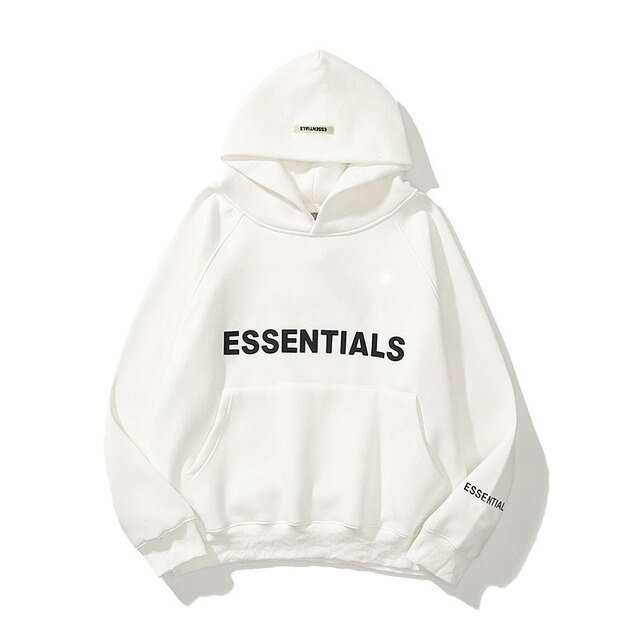
Choosing the right essentials is not simply about purchasing more products. It is about finding useful items that fit your lifestyle and provide genuine value. Essentials hoodie Whether you are updating your wardrobe, improving your home organization, preparing for travel, or looking for practical accessories, thoughtful choices can help create a simpler and more enjoyable daily routine.

Understanding Modern Daily Essentials

Modern daily essentials are products people use regularly at home, work, school, while traveling, or during leisure activities. They can include clothing, footwear, personal accessories, household products, electronic accessories, and organizational tools.

A good essential should offer practical value without being unnecessarily complicated. Products that are comfortable, versatile, durable, and easy to maintain can become dependable parts of everyday life. Instead of constantly replacing poorly made items, investing in reliable essentials can provide better long-term value.

Germany's practical lifestyle makes functionality especially important. Many people prefer products that are designed for regular use and can adapt to different situations. A versatile hoodie, a dependable backpack, or a well-designed storage solution can serve multiple purposes and reduce the need for unnecessary purchases.

Clothing Essentials for Everyday Style

Clothing is one of the most important categories of everyday essentials. A practical wardrobe can include comfortable T-shirts, hoodies, sweatshirts, trousers, jackets, sweaters, and other versatile garments.

Comfort should be a major consideration when choosing everyday clothing. Materials should feel pleasant against the skin, while the fit should allow natural movement. Durability is also important because clothing used frequently needs to withstand regular washing and wear.

Germany's changing weather makes flexible clothing particularly useful. During colder months, warm hoodies, sweaters, jackets, and layered outfits can provide additional comfort. In warmer weather, lightweight T-shirts and breathable garments can be more suitable.

Simple colors and versatile designs can make a wardrobe easier to manage. Neutral shades can be combined with different clothing pieces, allowing one item to work across several outfits. This approach can help reduce unnecessary spending while maintaining a modern appearance.

Footwear and Accessories

Footwear is another important part of a modern essentials collection. Comfortable shoes can support daily activities such as walking, commuting, shopping, working, and traveling.

When choosing everyday footwear, consider comfort, fit, construction, and intended use. A pair of shoes designed for regular walking should provide suitable support and flexibility. Weather conditions should also be considered, especially during colder or wetter periods.

Accessories can add another level of convenience. Backpacks, wallets, belts, hats, watches, sunglasses, and reusable bottles are examples of products that can become useful parts of a daily routine.

The best accessories combine practicality with simple design. Items that are easy to carry, maintain, and use regularly can provide lasting value.

Home Essentials for Comfortable Living

A comfortable home depends on products that make everyday activities easier. Home essentials can include kitchen accessories, storage containers, bedding, lighting, cleaning products, organizers, and useful household tools.

Organization is particularly important for creating a comfortable living environment. Storage solutions can help keep personal belongings in their proper places, while multifunctional products can save valuable space.

For smaller apartments, compact and practical products can be especially useful. Instead of filling rooms with unnecessary furniture and accessories, choosing products that perform several functions can help maintain an organized environment.

Quality is also important for household products. Items used every day should be durable and easy to clean. A well-made product may cost more initially but can provide better value if it remains useful for a longer period.

Kitchen Essentials for Daily Routines

The kitchen is one of the busiest areas of many homes, making practical kitchen essentials valuable. Everyday products can include cookware, storage containers, utensils, reusable bottles, mugs, food preparation tools, and cleaning accessories.

When selecting kitchen products, functionality should come first. Items that are easy to clean, store, and use can save time during regular household tasks.

Reusable products can also support more organized routines. Durable containers and bottles can be useful at home, work, or while traveling. Choosing products that can be used repeatedly may also reduce the need for frequent replacements.

A well-organized kitchen does not require excessive equipment. A collection of reliable products that match your cooking habits can be more useful than a large number of rarely used items.

Technology and Digital Essentials

Technology is now closely connected with everyday life. Smartphones, laptops, tablets, headphones, chargers, power banks, cables, and other accessories can support communication, work, entertainment, and education.

Reliable charging accessories are particularly useful for people who spend long periods away from home. A suitable power bank can provide additional convenience during travel or busy days.

Protective accessories can also help maintain electronic devices. Phone cases, laptop sleeves, and screen protectors may help protect frequently used technology from everyday damage.

When choosing technology accessories, compatibility and quality should be carefully considered. A product that works correctly with your device and meets your daily requirements can provide much greater value than an item selected only because of its low price.

Travel Essentials in Germany

Germany offers many opportunities for local and international travel. From major cities and historic destinations to countryside locations, travelers can benefit from having a reliable collection of travel essentials.

A practical travel bag may include comfortable clothing, a backpack, chargers, personal care products, reusable water bottles, travel organizers, and important personal items.

Lightweight products are particularly helpful when traveling because they can reduce luggage weight. Multifunctional accessories can also be useful because one product may serve several purposes.

Travel organization can make a major difference. Keeping chargers, documents, personal items, and other necessities organized can make them easier to access when needed.

Whether you are taking a short city trip, commuting between German cities, or planning a longer holiday, choosing dependable travel essentials can help make the journey smoother.

Seasonal Essentials for German Weather

Germany experiences significant seasonal changes, so everyday requirements can vary throughout the year. Preparing suitable essentials for each season can improve comfort and reduce last-minute purchases.

Winter generally requires warmer clothing and accessories. Coats, hoodies, sweaters, scarves, gloves, and suitable footwear can help create a comfortable cold-weather wardrobe.

Spring and autumn often require flexible layering. Temperatures can change during the day, making lightweight jackets, sweatshirts, long-sleeve shirts, and versatile trousers useful choices.

Summer typically calls for lighter clothing and accessories. Breathable garments, sunglasses, reusable water bottles, and comfortable footwear can help during warmer days.

Seasonal planning allows you to rotate products according to weather conditions while keeping your everyday collection organized.

Choosing Quality Over Unnecessary Quantity

One of the most useful approaches to shopping for essentials is focusing on quality rather than quantity. Buying many inexpensive products may appear economical initially, but frequent replacement can eventually cost more.

Before purchasing something, consider how often you will use it, how long it is expected to last, and whether it solves a genuine need. Material quality, construction, comfort, and functionality can all help determine whether an item offers good value.

Customer reviews can also provide useful information. Looking at feedback about sizing, durability, comfort, and practical performance can help you make more informed decisions.

However, the most expensive product is not automatically the best choice. The goal is to find a reasonable balance between quality, price, usefulness, and personal requirements.

Smart Shopping for Essentials in Germany

Smart shopping begins with planning. Before making purchases, consider which products you already own and identify what you actually need.

Comparing different products can help you understand differences in materials, features, sizes, and prices. Online shopping can make comparisons convenient, while physical stores allow shoppers to inspect certain products before purchasing.

It can also be helpful to think about versatility. A product that works in several situations may offer greater value than one designed for a single purpose.

Avoiding impulse purchases can make your essentials collection more useful. Instead of following every trend, focus on products that complement your existing lifestyle and provide regular practical benefits.

Sustainable and Responsible Choices

Sustainability is becoming an important consideration for many modern shoppers. Choosing durable products that can be used for a long time can help reduce unnecessary replacement and waste.

Reusable bottles, bags, containers, and other products can be practical alternatives to disposable items. Durable clothing can also remain useful for multiple seasons when properly cared for.

Responsible shopping does not require purchasing only expensive products. It can simply mean thinking carefully before buying, choosing useful items, maintaining them properly, and avoiding products that are unlikely to be used regularly.

Taking care of your essentials can also extend their lifespan. Proper washing, cleaning, storage, and maintenance can help everyday products remain functional for longer.

Building a Practical Essentials Collection

Creating a reliable collection of daily essentials takes time. You do not need to purchase everything at once. Start with the products you use most frequently and gradually add items that provide genuine convenience.

For clothing, begin with versatile everyday pieces that can be combined easily. For your home, focus on products that improve organization and comfort. For technology, choose accessories that support the devices and activities you use regularly.

Travel essentials can be added according to your travel habits. Someone who travels frequently may need more specialized products, while occasional travelers can keep their collection simple.

The goal is to create a collection that supports your lifestyle rather than creating unnecessary clutter.

Essentials for Work and Study

Work and study routines can also benefit from carefully selected essentials. Comfortable clothing, backpacks, notebooks, laptop accessories, headphones, chargers, and organizational tools can support productivity.

A well-organized workspace can make it easier to focus. Keeping essential items within reach while reducing unnecessary distractions can create a more efficient environment.

For people working or studying from home, practical lighting, comfortable seating, storage solutions, and reliable technology accessories can improve the overall experience.

The best work and study essentials are those that support regular tasks without creating additional complexity.

Personal Care and Daily Convenience

Personal care products are another important part of everyday life. Essentials Tracksuits Depending on individual routines, essentials can include grooming products, towels, organizers, travel-size containers, and other personal accessories.

Keeping personal care items organized can save time and make morning and evening routines more efficient. Travel-friendly organizers can also help keep personal products together when away from home.

As with other categories, quality and practicality should guide purchasing decisions. Products that are comfortable, easy to maintain, and suitable for regular use can become dependable parts of a daily routine.

Final Thoughts

Essentials Germany represents a practical approach to modern everyday living. From clothing and footwear to home products, technology, travel accessories, and personal items, carefully selected essentials can make daily routines more comfortable and organized.

The best approach is to focus on products that offer genuine usefulness, reliable quality, versatility, and long-term value. Instead of purchasing simply because something is fashionable or inexpensive, consider whether it fits your lifestyle and how frequently you will use it.

By building your essentials collection gradually and making thoughtful choices, you can create a practical lifestyle that balances comfort, convenience, style, and responsible consumption. Modern daily essentials do not have to be complicated. The right products are simply those that make everyday life easier, more efficient, and more enjoyable.

Hammad Youtuber and His Journey Through Digital Storytelling

Hammad Youtuber represents a modern generation of creators who use online video to share experiences, ideas, and everyday moments with audiences around the world. YouTube has become much more than a platform for watching videos. It is now a space where individuals can build communities, develop creative skills, and turn personal interests into engaging digital content.

For creators like Hammad, becoming a successful YouTuber is not simply about recording a video and uploading it. It involves planning, creativity, consistency, audience understanding, editing, presentation, and the ability to keep learning as digital trends change. Every video can become an opportunity to communicate something valuable while developing a recognizable personal identity.

The Growing World of YouTube

YouTube has changed the way people consume entertainment and information. Viewers can watch travel experiences, food videos, educational guides, lifestyle content, reviews, interviews, and personal stories whenever they want. This variety has created opportunities for independent creators to build audiences without depending entirely on traditional media.

A YouTuber can begin with simple equipment and gradually improve production quality. A smartphone, good lighting, clear audio, and an interesting idea can be enough to create a useful video. Over time, creators can learn professional editing, thumbnail design, storytelling, search optimization, and audience engagement.

Hammad's presence as a YouTuber can be viewed within this broader creator economy, where authenticity and consistency often matter as much as production quality.

Building a Personal Connection With Viewers

One of the strongest advantages of YouTube is the relationship between creators and viewers. Unlike traditional television, online video allows audiences to comment, share opinions, ask questions, and interact directly with creators.

A successful creator understands that viewers are not simply numbers. They are people with different interests, expectations, and reasons for watching. Building trust takes time, and maintaining that trust requires genuine communication.

For Hammad, creating content with a natural personality can help make videos feel more relatable. Viewers often return to channels because they enjoy the creator's presentation style, perspective, humor, storytelling, or way of explaining things.

Content Can Turn Everyday Experiences Into Stories

A major part of modern YouTube culture is transforming ordinary experiences into interesting stories. A meal, a journey, a local place, a personal challenge, or a new experience can become engaging when presented with a clear narrative.

Good storytelling gives viewers a reason to continue watching. Instead of simply showing what happened, a creator can explain where they went, what they experienced, what surprised them, and what they learned.

This approach can make a video feel personal rather than generic. Hammad's journey as a YouTuber can therefore be understood not only through individual videos but also through the stories and experiences connected to his content.

The Importance of Consistency

Consistency is one of the biggest challenges for content creators. Creating one successful video is possible, but maintaining a channel over a long period requires discipline.

A consistent creator needs to think about topics, recording schedules, editing, thumbnails, titles, descriptions, and audience feedback. Sometimes a video may perform better than expected, while another may receive fewer views. Learning to continue creating despite unpredictable results is an important part of the YouTube journey.

Consistency does not necessarily mean uploading every day. It means developing a realistic publishing routine that allows a creator to maintain quality while continuing to provide fresh content.

Learning the Technical Side of YouTube

Behind every successful video is a combination of creative and technical skills. YouTubers need to understand how cameras, microphones, lighting, editing software, thumbnails, and video formats work.

Search optimization is also important. A well-planned title can help viewers understand the subject of a video before clicking. A useful description can provide additional context, while an appealing thumbnail can encourage people to investigate further.

Analytics provide another source of information. Watch time, audience retention, impressions, click-through rates, and engagement can help creators understand how viewers respond to different types of content.

For Hammad, continuing to improve these skills can make the channel more effective and professional over time.

Connecting With a Broader Audience

YouTube allows local experiences to reach an international audience. A creator can record something in their own city or country, and viewers from completely different parts of the world can watch it.

This creates an interesting opportunity for Hammad. Content can introduce viewers to places, food, traditions, daily life, and experiences that they may not encounter personally. At the same time, viewers can share their own perspectives through comments and social interactions.

This exchange makes YouTube more than a broadcasting platform. It becomes a digital community where different experiences can meet.

The Role of Authenticity

Audiences have become increasingly familiar with highly produced digital content. Because of this, authenticity can be a powerful quality.

Authenticity does not mean that every video needs to be completely unedited or professionally imperfect. It means that the creator's personality, opinions, and experiences should feel genuine.

When a YouTuber communicates naturally, viewers may feel that they are watching a real person rather than a scripted advertisement. This personal connection can become one of the strongest foundations for long-term audience growth.

Hammad can use this quality to create content that reflects his own perspective instead of simply following every trend.

Growing Through Audience Feedback

Every creator receives feedback. Some comments may praise a video, while others may suggest improvements. Learning how to use useful feedback without losing personal creative direction is an important skill.

Audience responses can reveal which subjects viewers enjoy, which questions remain unanswered, and which areas could be improved. A creator can use this information to develop future content.

At the same time, not every trend or comment needs to determine the direction of a channel. A strong creator learns from the audience while maintaining a clear identity.

Creativity Beyond the Camera

Being a YouTuber involves much more than appearing in front of a camera. Creativity can influence every part of the production process.

The opening seconds need to capture attention. The structure should keep the story moving. Background music and editing can influence the mood. Thumbnail design can communicate the video's main idea. Titles can create curiosity while remaining accurate.

These details work together to create a complete viewing experience. As Hammad continues developing his channel, experimenting with different formats can help identify what connects most effectively with his audience.

The Future of Hammad Youtuber

The future of a YouTube channel can change as quickly as the interests of its viewers. New video formats, editing technologies, artificial intelligence tools, social platforms, and viewing habits continue to influence digital content.

Rather than depending on a single trend, long-term creators can focus on transferable skills such as storytelling, communication, research, editing, creativity, and audience engagement.

Hammad's journey as a YouTuber can continue developing through experimentation and experience. Every upload can provide another lesson about content creation, audience behavior, and digital communication.

Conclusion

Hammad Youtuber reflects the opportunities available to creators in today's digital environment. YouTube gives individuals the ability to share experiences, communicate ideas, develop creative skills, and build communities around common interests.

The path of a YouTuber requires patience and continuous learning. Success is not defined only by views or subscriber numbers. It can also be measured by the quality of the stories shared, the relationships created with viewers, and the skills developed along the way.

With creativity, consistency, authenticity, and a willingness to improve, Hammad can continue building his identity as a digital creator and make his YouTube journey a meaningful part of his online presence.

Flat Panel LED Lights for Modern and Efficient Spaces

Flat Panel LED lights have become a practical lighting choice for offices, schools, healthcare facilities, retail stores, commercial buildings, and many other indoor environments. Their slim design, clean appearance, and efficient performance make them suitable for spaces where bright and consistent illumination is important.

Unlike traditional fluorescent fixtures, LED flat panels use modern LED technology to provide dependable lighting while consuming less energy. They can also offer a more comfortable appearance, helping create professional and welcoming indoor environments.

What Are Flat Panel LED Lights?

Flat panel LED lights are thin, rectangular or square lighting fixtures designed to provide broad and even illumination. They are commonly installed in suspended ceilings, drop ceilings, and other commercial ceiling systems.

Their low-profile construction gives ceilings a neat appearance without the bulky look associated with older lighting fixtures. Flat panels are available in different sizes, wattages, color temperatures, and mounting configurations, making it easier to select an option for different room layouts.

Common sizes include 1x4, 2x2, and 2x4 panels. The right size depends on the ceiling configuration, room dimensions, desired brightness, and existing electrical setup.

Why Choose Flat Panel LED Lighting?

One of the biggest advantages of flat panel LED lighting is energy efficiency. LEDs can produce substantial illumination while using less electricity than many conventional lighting technologies. For businesses operating lighting for extended hours, improved efficiency can contribute to lower energy consumption.

Flat panels also provide a modern appearance. Their smooth surface and slim profile can complement contemporary offices, classrooms, medical facilities, and commercial interiors.

Another advantage is consistent light distribution. Quality flat panel fixtures are designed to spread illumination across a broad area, reducing harsh contrasts and helping create a balanced indoor environment.

Applications for Flat Panel Lights

Flat panel LED fixtures can be used in many commercial and institutional settings.

Offices

Office environments require comfortable and consistent lighting for desks, meeting rooms, corridors, and shared workspaces. Flat panels can provide broad illumination while maintaining a professional ceiling appearance.

Schools and Classrooms

Classrooms need sufficient lighting for reading, writing, presentations, and other activities. Flat panels can deliver widespread illumination across desks and learning areas.

Healthcare Facilities

Clinics, medical offices, laboratories, and healthcare facilities often require reliable indoor lighting. Flat panels can provide clear illumination while maintaining a clean and organized appearance.

Retail Stores

Retail environments benefit from bright, evenly distributed lighting that helps products remain visible. Flat panel fixtures can be incorporated into ceiling layouts without distracting from displays.

Commercial Buildings

From administrative buildings to professional facilities, flat panels can provide a practical lighting solution for rooms, hallways, conference areas, and common spaces.

Flat Panels Compared With Traditional Fluorescent Fixtures

Traditional fluorescent fixtures have been widely used in commercial buildings for decades. However, LED flat panels provide several modern advantages.

LED technology generally offers better energy efficiency, long operating life, and reduced maintenance requirements. Flat panels also eliminate the need for the large fixture profile commonly associated with older fluorescent systems.

Another important consideration is light quality. Modern LED panels are available in multiple color temperatures, allowing businesses to select lighting that suits the purpose of a particular room.

Replacing outdated fixtures with LED panels can therefore improve both the visual appearance and operational efficiency of a building.

Choosing the Right Flat Panel

Selecting a flat panel should involve more than simply choosing the brightest fixture. Several factors should be considered.

Size

The fixture dimensions should match the ceiling grid and available installation space. Popular options include 2x2 and 2x4 panels, while 1x4 fixtures can work well in narrower ceiling sections.

Wattage

Wattage indicates how much electrical power the fixture uses, but it should not be considered alone. Lumens provide a better indication of the amount of light produced.

Color Temperature

Color temperature affects the appearance of the light. Cool white tones can create a crisp workplace environment, while neutral or warmer tones may be preferred in certain commercial spaces.

Lumens

Lumens measure the visible light output. A larger room generally requires more total illumination than a small room, although ceiling height, wall colors, room purpose, and fixture spacing also affect the final requirement.

Dimming

If lighting flexibility is important, consider panels compatible with dimming controls. Dimmable fixtures can allow occupants to adjust illumination according to room use and time of day.

Installation Type

Flat panels may be designed for different ceiling configurations. Confirm the mounting method and dimensions before purchasing to ensure compatibility with the existing ceiling system.

Benefits for Businesses

Businesses often look for lighting that balances performance, appearance, and operating costs. Flat panel LED fixtures can support these goals in several ways.

Lower energy consumption can help reduce electricity usage, particularly in facilities where lights operate throughout the working day. Long-lasting LED technology can also reduce the frequency of fixture replacement and maintenance.

The clean design can contribute to a more organized workplace appearance. In offices and customer-facing environments, good lighting can also support a more professional atmosphere.

For larger buildings, upgrading many fixtures at once can create a noticeable improvement in lighting consistency throughout the property.

Installation Considerations

Proper installation is important for achieving reliable performance. Before installation, check the fixture specifications, ceiling dimensions, electrical requirements, and mounting method.

For commercial projects involving multiple fixtures, planning the layout in advance can help create balanced illumination. Fixture spacing should account for the size and purpose of each room.

Electrical installation should be performed by a qualified professional when required. Correct installation helps ensure that the fixtures operate safely and according to manufacturer specifications.

Maintenance of Flat Panel LED Fixtures

LED flat panels generally require less routine maintenance than many older lighting systems, but basic care is still useful.

Dust and dirt can accumulate on exposed surfaces over time. Cleaning fixtures according to the manufacturer's recommendations can help maintain their appearance and light output.

Businesses should also monitor fixtures for flickering, unusual dimming, or other performance issues. Addressing problems early can help maintain consistent lighting throughout a facility.

Flat Panels and Energy Efficiency

Energy efficiency is increasingly important for commercial property owners and facility managers. Lighting can represent a significant portion of electricity consumption in buildings that operate for long hours.

LED flat panels can help reduce lighting energy requirements compared with older technologies. The actual savings will depend on the existing fixtures, operating schedule, electricity rates, and selected LED products.

For this reason, businesses should evaluate both the initial fixture cost and the expected long-term operating performance when planning an upgrade.

Creating Better Indoor Environments

Lighting affects how an indoor space looks and feels. Poorly distributed light can create dark areas, excessive glare, or uncomfortable contrasts. A well-planned flat panel installation can provide more uniform illumination across the room.

Offices may benefit from balanced lighting around workstations, while classrooms require sufficient illumination across learning areas. Retail spaces may need stronger lighting around merchandise displays.

Selecting appropriate color temperature, brightness, fixture spacing, and controls can help create a lighting environment suited to each application.

The Future of Commercial LED Lighting

LED lighting continues to develop as businesses look for more efficient and flexible solutions. Modern flat panels can be combined with lighting controls, occupancy sensors, daylight harvesting systems, and smart building technologies.

These technologies can provide greater control over when and how lighting operates. In larger facilities, automated controls can potentially reduce unnecessary energy consumption by adjusting lighting according to occupancy and available natural light.

As commercial buildings become more focused on efficiency and intelligent management, flat panel LED lighting is likely to remain an important part of modern indoor lighting systems.

Final Thoughts

Flat panel LED lights offer a practical combination of efficient performance, modern design, broad illumination, and flexible applications. They can be used in offices, schools, healthcare facilities, retail stores, and commercial buildings where dependable indoor lighting is needed.

When selecting flat panels, consider fixture size, lumen output, wattage, color temperature, dimming compatibility, ceiling type, and installation requirements. Choosing the right specifications for each space can help create comfortable and consistent illumination while supporting long-term energy efficiency.

For businesses planning a lighting upgrade, flat panel LED fixtures can be a smart option for replacing outdated ceiling lighting and creating a cleaner, more modern indoor environment.

Canopy LED Lights for Safer and Brighter Outdoor Spaces

Canopy Led Lights are an efficient lighting solution for areas where bright, reliable, and evenly distributed illumination is important. They are commonly installed under covered structures, building overhangs, parking areas, walkways, service stations, commercial entrances, loading zones, and other outdoor locations that require dependable lighting throughout the day and night.

Compared with older lighting technologies, LED canopy fixtures offer better energy efficiency, long operating life, and consistent light output. Their compact construction also makes them suitable for installations where ceiling space is limited. For businesses and property managers looking to improve outdoor visibility while controlling energy expenses, canopy LED lighting can be a practical upgrade.

What Are Canopy LED Lights?

Canopy LED lights are purpose-built fixtures designed to provide downward and wide-area illumination beneath covered ceilings or structures. The fixture is generally mounted directly to a ceiling or surface, allowing light to spread across the area below.

These lights are available in different wattages, sizes, shapes, color temperatures, and brightness levels. This makes it possible to select a fixture according to the size and purpose of the installation.

Their applications can include commercial parking structures, gas stations, building entrances, covered walkways, warehouses, drive-through areas, and outdoor service spaces. The right fixture can provide clear illumination without requiring a large or complicated lighting system.

Why Choose LED Canopy Lighting?

One of the main reasons businesses choose LED technology is energy efficiency. LED fixtures can provide substantial illumination while using less electricity than many traditional lighting systems. Over time, lower energy consumption can contribute to reduced operating costs.

Another advantage is the long service life associated with quality LED fixtures. Traditional lamps may require frequent replacement, particularly when installed in locations that are difficult to access. LED canopy fixtures can reduce maintenance requirements because they are designed to operate for extended periods.

LED technology also provides consistent light output. This can be particularly useful in areas where visibility matters, such as parking facilities, building entrances, and covered pedestrian spaces.

Better Visibility for Commercial Areas

Outdoor and semi-outdoor areas need dependable illumination to remain functional after sunset. Poor lighting can create dark spots, uneven visibility, and an uncomfortable environment for people moving through the area.

Canopy LED lights can be positioned to distribute light across entrances, walkways, parking areas, and covered workspaces. Proper placement helps reduce shadows and improves overall visibility.

For commercial properties, good lighting can also contribute to a more professional appearance. A well-lit entrance or covered area can make a facility look cleaner, organized, and easier to navigate.

Energy Efficiency and Operating Costs

Lighting can represent a significant portion of electricity use in commercial properties, especially when fixtures operate for long hours. Switching from older lighting systems to LED canopy fixtures can help reduce power consumption.

The savings depend on factors such as the existing fixture type, wattage, operating schedule, electricity rate, and number of lights installed. A property with many fixtures operating throughout the night may see greater benefits from an energy-efficient LED upgrade.

LED canopy lighting can therefore be considered as part of a broader energy management strategy. Businesses can evaluate current lighting performance and determine whether replacing outdated fixtures would provide a worthwhile return over time.

Low Maintenance Requirements

Maintenance is another important consideration when selecting outdoor lighting. Fixtures installed at height or in covered parking structures may require specialized equipment to access.

A durable LED canopy light can reduce the frequency of lamp replacement and routine maintenance. This can save both time and labor, particularly for large commercial properties with numerous fixtures.

When selecting a product, buyers should look beyond the initial price. Construction quality, expected operating life, heat management, warranty coverage, and environmental resistance can all influence long-term value.

Suitable Applications for Canopy LED Lights

Canopy LED fixtures are versatile and can be used in many commercial and industrial environments.

Parking Areas

Covered parking garages and parking structures require dependable illumination to help drivers and pedestrians navigate the space. LED canopy fixtures can provide broad, uniform lighting across parking levels and access areas.

Gas Stations

Canopy lighting is widely used beneath fuel station structures. Bright, consistent illumination helps create clear visibility around fueling areas and customer access points.

Commercial Entrances

Building entrances benefit from clear lighting that highlights doors, pathways, and surrounding areas. Canopy fixtures can provide direct illumination while maintaining a clean architectural appearance.

Loading and Service Areas

Warehouses, distribution facilities, and service buildings often have covered loading areas that require lighting for regular operations. LED canopy lights can illuminate these spaces without requiring extensive lighting infrastructure.

Walkways and Covered Structures

Pedestrian areas beneath awnings and other structures can also benefit from compact LED fixtures. Their surface-mounted design makes them suitable for locations where conventional fixtures may be difficult to install.

Choosing the Right Canopy LED Light

Selecting the correct fixture requires more than simply choosing the brightest available model. Several factors should be considered before installation.

First, evaluate the size and layout of the area. A small entrance may require considerably less illumination than a large parking structure. Installing too few fixtures can result in dark areas, while excessive brightness may waste energy.

Next, consider wattage and lumen output. Wattage indicates power consumption, while lumens describe the amount of visible light produced. Comparing lumen output can provide a better understanding of lighting performance.

Color temperature is another consideration. Cooler white light is often selected for commercial and outdoor environments because it provides a crisp appearance. Warmer options may be suitable for locations where a softer visual environment is preferred.

The mounting method should also match the existing structure. Surface-mounted canopy lights are popular because they can be installed directly against a ceiling or covered surface.

Weather Resistance and Durability

Outdoor lighting fixtures are exposed to environmental conditions that indoor fixtures do not experience. Moisture, dust, temperature changes, and other elements can affect performance.

When choosing canopy LED lighting for outdoor or semi-outdoor applications, check the fixture's ingress protection rating and construction specifications. A suitable rating can help protect internal components against dust and moisture.

A durable housing can also help extend fixture life. Quality materials and effective heat management are important because LED performance can be affected by excessive heat.

Installation Considerations

Proper installation is essential for achieving the best lighting performance. Before installing canopy LED fixtures, assess the mounting surface, electrical requirements, fixture spacing, and desired light distribution.

The positioning of each fixture should minimize dark spots and unnecessary glare. For larger areas, multiple fixtures may be arranged in a pattern to provide more uniform illumination.

Electrical work should be performed according to applicable local requirements and by qualified professionals where necessary. Correct installation helps ensure safe operation and reliable performance.

Canopy LED Lights vs Traditional Lighting

Traditional lighting systems may have higher energy consumption and require more frequent lamp replacement. LED technology offers an alternative that can provide efficient illumination with reduced maintenance needs.

LED fixtures also offer design flexibility. Their compact form factor allows manufacturers to create low-profile products that fit neatly against ceilings and covered structures.

For property owners considering an upgrade, the decision should be based on total operating costs rather than purchase price alone. Energy consumption, maintenance, replacement frequency, installation requirements, and expected service life all contribute to the overall cost of a lighting system.

Benefits for Businesses and Property Owners

Installing efficient canopy LED lighting can provide several practical benefits:

  • Lower electricity consumption
  • Reduced lighting maintenance
  • Long operating life
  • Consistent illumination
  • Compact fixture designs
  • Wide range of wattage options
  • Suitable choices for commercial applications
  • Improved visibility in covered areas
  • Reduced need for frequent lamp replacement
  • Professional appearance for commercial properties

The exact benefits will vary depending on the property, existing lighting system, operating schedule, and fixture specifications.

A Practical Upgrade for Modern Lighting Systems

As businesses continue to look for ways to improve efficiency and reduce unnecessary operating expenses, LED lighting remains a popular choice. Canopy LED lights combine efficient technology with a practical design for covered outdoor and commercial spaces.

A successful lighting upgrade starts with understanding the area that needs illumination. Consider the mounting height, coverage area, required brightness, operating hours, environmental conditions, and electrical requirements before selecting fixtures.

Choosing properly sized and well-constructed canopy LED lights can help create a brighter, more efficient, and easier-to-maintain environment. Whether the project involves a parking structure, commercial entrance, service station, warehouse loading area, or covered walkway, LED canopy lighting can provide dependable illumination while supporting long-term energy and maintenance goals.

Final Thoughts

Canopy LED lights are a practical option for businesses and property owners that need dependable lighting beneath covered structures. Their energy-efficient operation, long service life, compact design, and consistent illumination make them suitable for a wide variety of commercial and outdoor applications.

Before purchasing, compare lumen output, wattage, color temperature, mounting style, durability, environmental rating, and warranty information. Selecting the right fixture for the application can improve lighting performance and help maximize the value of the investment.

Event Management Company in Dubai

Event Management Company in Dubai

Dubai is a global hub for corporate events, conferences, exhibitions, product launches, brand activations, gala dinners, and special celebrations. Choosing the right event management company can make the difference between a stressful process and a seamless, memorable event.

XoticXperiences – Professional Event Management in Dubai

XoticXperiences is a Dubai-based full-service event management company, founded in 2012. The company plans and produces corporate, government, brand, exhibition, and experiential events across Dubai and the UAE.

Our Event Management Services

XoticXperiences provides end-to-end support for:

  • Corporate events
  • Conferences and award ceremonies
  • Brand activations
  • Exhibitions and exhibition stand design
  • Product launches and inaugurations
  • Gala dinners and weddings
  • Fashion shows and live events
  • Art exhibitions
  • Web3 and technology-focused events

From planning and venue coordination to vendor management, staging, AV, LED, lighting, fabrication, rehearsals, run-of-show planning, and on-ground execution, the company manages the key operational elements of an event.

DET Registered

XoticXperiences is DET Registered
License Number: 1132932

Why Choose XoticXperiences?

Planning an event in Dubai often involves coordinating venues, suppliers, production teams, technical requirements, guests, and event schedules. XoticXperiences offers a structured process covering strategy, creative development, planning, production, and event-day execution. The company states that it has delivered 375+ events across the UAE.

Event Planning Across Dubai and the UAE

Whether you are organizing a corporate conference, exhibition, brand activation, product launch, gala dinner, or private celebration, working with an experienced event management company can help keep every part of the project aligned.

For professional event planning and production services, contact XoticXperiences.

DET Registered | License Number: 1132932

best event planner in karachi

Best Event Planner In Karachi

Planning a successful event requires creativity, proper organization, and attention to every important detail. In a busy city like Karachi, having the right planning team can make an event easier to manage and more enjoyable for everyone. MARCEM Events is a professional choice for an best event planner in Karachi, providing event planning and management services for weddings, corporate functions, exhibitions, activations, and private celebrations.

With more than 12 years of experience, MARCEM Events understands how to turn ideas into well-organized and memorable occasions. The team manages everything from event concepts and venue arrangements to décor, vendor coordination, and on-site execution, allowing clients to enjoy their special occasions without unnecessary stress.

Why Choose MARCEM Events?

Choosing an event planner in Karachi can make a major difference when an occasion involves multiple vendors, guests, schedules, and arrangements. Professional planners take responsibility for coordinating these different elements and ensuring that everything works together.

MARCEM Events provides planning, event concepts, décor, logistics, vendor management, and on-ground coordination. The team works according to each client's requirements instead of using the same approach for every event.

For weddings, MARCEM Events manages Mehndi, Barat, Walima, Nikkah, and engagement ceremonies. Corporate services include conferences, seminars, annual dinners, product launches, exhibitions, trade shows, and award ceremonies.

MARCEM also has a network of more than 100 premium partners, helping the team manage different event requirements efficiently. Its experience includes working with organizations such as NLC, DP World, KPT, and Aga Khan University.

Creating Unique Events in Karachi

Every event has its own purpose and personality. A wedding may focus on traditions and family celebrations, while a corporate function may require professional branding and structured coordination.

MARCEM Events focuses on creating customized experiences based on the client's expectations, style, goals, and budget. The planning process begins by understanding what the client wants and developing an appropriate concept around those requirements.

From guest arrangements and entertainment to décor, refreshments, and event coordination, every major detail is considered. This approach helps create events that feel personal while maintaining a professional standard.

Complete Event Planning Services

A professional event planner in Karachi can handle many different aspects of an occasion under one coordinated plan. MARCEM Events provides comprehensive event planning and management services designed to make the process organized and convenient.

The services can include venue selection, theme development, décor, catering coordination, entertainment, lighting, sound systems, stage design, guest management, vendor coordination, and on-ground supervision.

Each part of an event needs to complement the others. For example, stage design should work with lighting and sound, while seating and guest management should match the venue layout. Proper coordination helps create a smooth experience for both hosts and guests.

Corporate Event Management

Corporate events require careful planning because they represent a company's image and brand. Conferences, exhibitions, seminars, product launches, and award ceremonies all require professional coordination and attention to detail.

MARCEM Events develops corporate event solutions according to the company's objectives. Services can include venue arrangements, branding, stage design, lighting, sound, guest management, entertainment, and event-day coordination.

A product launch may require attractive branding and an engaging presentation, while a conference may need registration, audiovisual equipment, seating arrangements, and a detailed schedule. Each event is planned according to its specific purpose.

Wedding and Private Event Planning

Weddings and private celebrations often involve large guest lists, multiple functions, family traditions, and several service providers. Professional planning can help families manage these details more efficiently.

MARCEM Events organizes Mehndi, Barat, Walima, Nikkah, engagements, birthdays, and private celebrations. The team can coordinate décor, stage setups, entertainment, catering, lighting, and guest arrangements.

Every couple or family has a different idea of their perfect celebration. Some prefer modern and elegant themes, while others choose traditional or luxurious designs. An experienced event planner in Karachi can transform these preferences into a coordinated event concept.

Professional coordination also allows family members to spend more time with their guests instead of managing vendors and schedules throughout the day.

Venue Selection and Event Coordination

The venue is one of the most important decisions when planning an event. It should be suitable for the number of guests, type of occasion, theme, timing, and available budget.

MARCEM Events assists clients with venue selection and coordination. Important factors such as seating capacity, accessibility, parking, layout, decoration options, and guest convenience can be considered before finalizing the venue.

Once the right venue is selected, other elements such as seating, stage design, décor, lighting, and catering can be organized around the space. This creates a more comfortable and organized environment for guests.

Décor, Lighting, and Creative Design

The visual appearance of an event has a major impact on the overall guest experience. Décor, floral arrangements, stage design, lighting, and themed elements can completely change the atmosphere of a venue.

MARCEM Events develops event designs according to the occasion and client's preferences. Whether the desired style is modern, traditional, elegant, luxurious, or creative, the décor can be planned to match the overall theme.

Lighting also plays an important role. Stage lighting can highlight important moments, while decorative and ambient lighting can create the desired mood throughout the venue. Combining lighting with décor creates a more complete event design.

Vendor Management and Event Execution

Large events often require several vendors, including decorators, caterers, entertainers, photographers, AV teams, transport providers, venues, and technical staff. Coordinating all of them without professional assistance can become challenging.

MARCEM Events manages vendor communication and helps ensure that different teams understand their responsibilities and schedules. This keeps the planning process more organized.

On the event day, the team also focuses on on-ground execution. If an unexpected problem occurs, experienced staff can coordinate with the relevant vendors and take quick action to keep the event moving according to plan.

Professional Coordination from Beginning to End

A successful event depends on many tasks being completed at the right time. From the first planning discussion to the final stage of the event, each part requires proper attention.

MARCEM Events follows an organized process for setup, décor, vendor coordination, guest arrangements, entertainment, and technical requirements. The team also supervises the event on-site.

Working with an experienced event planner in Karachi allows hosts to focus on their guests, family members, clients, or business partners rather than worrying about every operational detail.

Event Budget Planning

Budget management is another important part of successful event planning. Expenses can include the venue, décor, catering, entertainment, lighting, sound, transportation, and other services.

MARCEM Events works with clients to understand their requirements and plan the different event elements accordingly. Proper coordination can help clients make better decisions about where to allocate their budget.

A clear plan also reduces the chances of unexpected expenses and helps keep the event organized from the beginning.

Benefits of Hiring a Professional Event Planner

Organizing a large event independently can require significant time and effort. Managing multiple vendors, schedules, guests, décor, catering, and technical arrangements can become overwhelming.

Hiring an event planner in Karachi can reduce this pressure by bringing professional experience, organization, vendor coordination, and problem-solving skills to the event.

Professional planners can also respond to last-minute changes and unexpected situations. This is particularly useful for large weddings, corporate events, exhibitions, and celebrations involving multiple service providers.

A Reliable Choice for Events in Karachi

When selecting an event planner in Karachi, it is important to consider experience, creativity, coordination, service quality, and the ability to understand your requirements. MARCEM Events brings more than 12 years of experience in managing corporate and private occasions.

The team provides services for weddings, corporate events, exhibitions, activations, product launches, conferences, private celebrations, and award ceremonies. Its professional approach focuses on planning, creative design, vendor coordination, and smooth execution.

If you are searching for an event planner in Karachi, MARCEM Events can help turn your ideas into a well-organized and memorable occasion. From the initial concept to on-ground management, the team works to make each event professional, creative, and enjoyable.

FAQs About Event Planner in Karachi

1. What services does an event planner in Karachi provide?

An event planner can manage venue selection, décor, catering, entertainment, lighting, sound, and guest arrangements. Professional planners can also coordinate vendors and supervise the event on the day.

2. Why should I hire an event planner?

Hiring a professional planner saves time and reduces the stress of managing multiple event details. They can coordinate suppliers, schedules, logistics, and last-minute changes on your behalf.

3. Can MARCEM Events organize corporate events?

Yes, MARCEM Events manages conferences, seminars, exhibitions, product launches, annual dinners, and award ceremonies. Services are planned according to the company's objectives and requirements.

4. Does MARCEM Events provide wedding planning?

Yes, MARCEM Events organizes Mehndi, Barat, Walima, Nikkah, engagements, and other wedding celebrations. The team can manage décor, stage design, entertainment, catering coordination, and guest arrangements.

5. Can event planning be customized?

Yes, event plans can be customized according to the client's theme, preferences, guest count, venue, and budget. The team works with clients to create an event that matches their vision.

6. Does MARCEM Events provide on-ground management?

Yes, the team provides on-ground supervision and coordinates vendors, décor, entertainment, setup, and other important arrangements. This allows clients to enjoy the occasion without managing every operational detail.

7. How early should I contact an event planner?

It is better to contact an event planner several weeks or months before the event. Early planning provides more time for venue selection, vendor arrangements, décor, and other important preparations.

8. What types of events does MARCEM Events manage?

MARCEM Events manages weddings, corporate events, exhibitions, brand activations, product launches, conferences, private parties, and other celebrations. Services can be customized according to the requirements of each event.

9. How can I choose the right event planner in Karachi?

Look for an event planner with relevant experience, creative ideas, reliable vendors, and strong coordination skills. MARCEM Events works with clients to understand their requirements, budget, and preferred event style before developing the plan.